
Dental Implants 101 in Ardmore, OK: Benefits, Process, and Long-Term Care
March 30, 2026 9:00 amPeople end up considering dental implants for all kinds of reasons. Sometimes it’s part of a plan—like when a tooth needs to be removed and you’re already thinking ahead to how it will be replaced, often with bone grafting done at the same time to preserve the area. Other times, it comes up later, after living with a missing tooth for a while, when the bone has already started to change. It can follow dental trauma, long-term decay, or even situations where a tooth never developed in the first place.
Even though the starting point varies, the questions tend to be similar. What does the process look like? How long does it take? Can it replace more than one tooth? And what kind of maintenance is involved?
At Walnut Ranch Dental Spa in Ardmore, OK, those conversations are built around your situation. The goal is to walk through how implants work and what to expect, so you can decide what makes sense moving forward.
Dental Implants 101: What They Are and How They Work
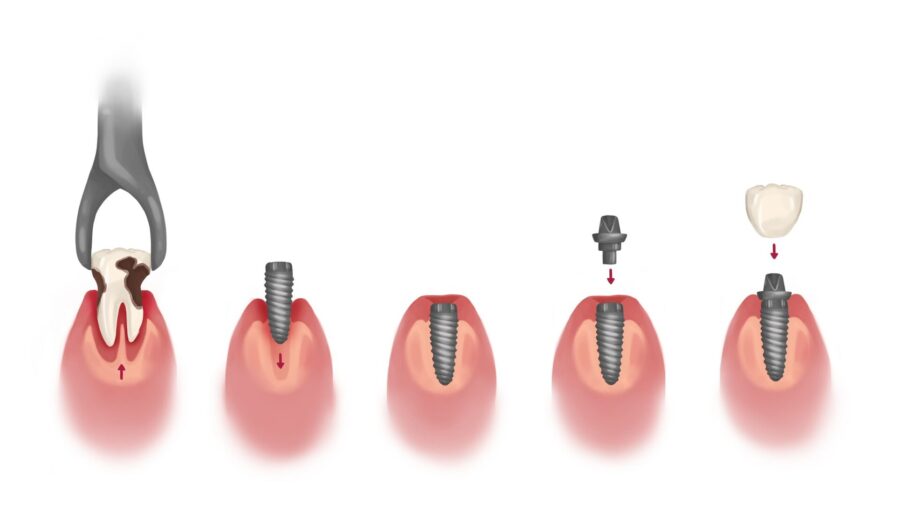
A dental implant is a small post that’s placed in the jawbone to act as a replacement for a missing tooth root. Once it heals, it supports a custom restoration on top.
That restoration can take a few different forms depending on your needs:
- A single crown to replace one missing tooth
- A bridge supported by implants to replace multiple teeth
- A full or partial denture that attaches to implants for added stability
Because the implant integrates with the bone, it provides a level of support that’s different from removable options. It also helps maintain the structure of the jaw in the area where the tooth was lost.
If you’re exploring ways to replace missing teeth, this is often part of a broader discussion during a restorative dentistry consultation, where we look at what will function best long term.
The Benefits of Dental Implants
Dental implants are often chosen because they address more than just appearance.
Some of the key benefits include:
- Stability when eating and speaking
- No reliance on neighboring teeth for support
- Preservation of bone in the area of the missing tooth
- A natural look and feel once restored
For many patients, the biggest difference is how consistent they feel day to day, especially compared to removable options.
The Dental Implant Process: Step by Step
One of the most common questions is how the process actually works. While every case is a little different, the general sequence tends to follow a similar pattern.
It begins with a consultation and imaging to evaluate the area and determine whether the bone can support an implant. In some cases, this planning happens before a tooth is removed so we can preserve the area as much as possible.
If the bone needs additional support, a bone graft may be recommended. This helps rebuild or maintain the foundation needed for the implant and can sometimes be done at the time of extraction.
Next comes the placement of the implant. This is done during a minor procedure and is typically more manageable than people expect.
After placement, there’s a healing phase where the implant integrates with the bone. This step takes a few months and is what gives the implant its long-term stability.
Once healing is complete, the final restoration is placed. During your implant consultation, we walk through each of these steps so you know what to expect along the way.
What Affects the Timeline
Dental implants aren’t completed in a single visit, but that’s intentional. The timeline is built around healing.
A few factors that can influence timing include:
- Whether the implant is placed at the time of extraction or later
- The condition of the bone in the area
- Whether bone grafting is needed
- How your body heals during the process
Some cases move more quickly, while others can take additional steps to make sure everything is stable before moving forward.
Can Dental Implants Get Cavities or Gum Disease?
This is a common question, and the answer is a little nuanced.
Implants themselves don’t get cavities because they’re made of materials like titanium and ceramic. However, the surrounding gum tissue and bone still need to be kept healthy.
Without good oral hygiene, it’s possible to develop inflammation or infection around an implant, similar to gum disease around natural teeth. That’s why daily care and regular checkups are still important.
Caring for Dental Implants
Once an implant is in place and restored, it’s maintained much like a natural tooth.
That includes:
- Daily brushing and flossing
- Keeping the surrounding gums healthy
- Staying consistent with cleanings and exams
We also monitor implants during your visits to make sure everything remains stable and functioning as expected.
Are Dental Implants Right for Everyone?
Not every patient is a candidate for implants, and not every situation requires one. The right option depends on your oral health, the condition of the bone, and your goals.
For some patients, implants are part of a planned, step-by-step approach. For others, they’re one option among several.
That’s why the first step is always a conversation. It gives you a clear understanding of what’s possible and how each option would work in your situation.
Dental Implants in Ardmore, OK at Walnut Ranch Dental Spa
At Walnut Ranch Dental Spa in Ardmore, OK, Dr. Joe Treanor takes a thoughtful, step-by-step approach to implant care. Whether you’re planning ahead for a tooth replacement or exploring options after the fact, the focus is on helping you understand the process clearly and move forward with confidence.
If you’re considering dental implants or want to explore your options for replacing a missing tooth, you can call the office or schedule a visit to get started.
Image from Authority Dental under CC 2.0
Categorised in: Dental Implants
