
Implant Denture FAQs
February 25, 2026 9:00 amWhen patients begin exploring options to replace multiple missing teeth, they often assume dentures are their only choice. What many do not realize is that dentures today can be supported by dental implants, creating a level of stability that traditional removable dentures simply cannot provide.
The shift from resting on the gums to anchoring within the jawbone changes how dentures function, how they feel, and how they perform over time.
At Walnut Ranch Dental Spa in Ardmore, OK, Dr. Joe Treanor helps patients carefully evaluate whether implant-supported dentures are the right fit for their health, goals, and lifestyle. Below are detailed answers to some of the most common implant denture FAQs, designed to give you a realistic understanding of what this treatment involves.
What Are Implant Dentures?
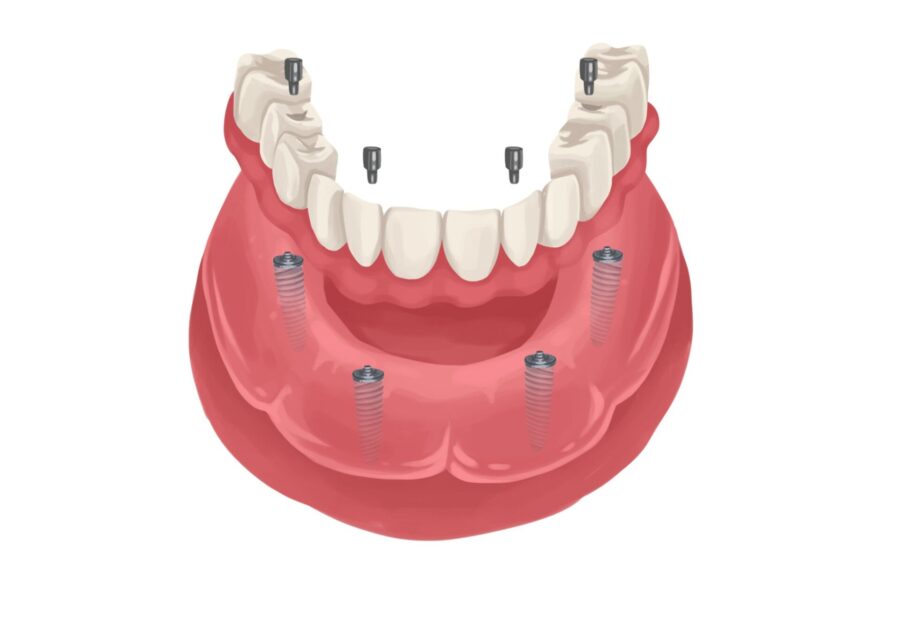
Implant dentures are full or partial dentures that attach to dental implants placed in the jawbone. Instead of relying on suction, adhesives, or gum contour for stability, they connect to titanium posts that function like artificial tooth roots.
After the implants are placed, they integrate with the surrounding bone in a process called osseointegration. This biological bond creates a stable foundation. The denture then attaches to that foundation either by snapping securely into place or by being fixed more permanently.
The key difference is support. Traditional dentures sit on top of tissue. Implant dentures are anchored within bone. That distinction affects everything from chewing strength to long-term bone health.
Why Do Implant Dentures Feel More Secure?
Traditional dentures can move because they depend on the gums for support. Over time, the jawbone naturally shrinks after tooth loss. As the bone changes, the fit of a traditional denture changes with it. Relines and adjustments can help temporarily, but the underlying bone loss continues. Implants interrupt that cycle.
When you chew with implant-supported dentures, the implants stimulate the jawbone much like natural tooth roots would. That stimulation helps maintain bone density and shape. As a result, the denture remains more stable over time.
Patients often notice improved biting strength and less movement while speaking. Foods that once required caution may feel easier to manage. Confidence improves not because the denture looks different, but because it behaves differently.
How Many Dental Implants Will I Need?
One of the most common questions patients ask is how many dental implants are required to support implant dentures. The answer depends on the type of denture, the condition of your jawbone, and whether the restoration is removable or fixed. In many cases, a full lower implant denture can be supported by as few as two to four implants, while upper dentures often require four or more because the bone in the upper jaw is typically softer. Fixed full-arch restorations may require four to six implants for optimal stability and support. The goal is not to place as many implants as possible, but to strategically position the right number to create balanced, long-term function. During your consultation, imaging and a thorough evaluation help determine the ideal number based on your anatomy and treatment goals.
Are Implant Dentures Removable or Permanent?
Implant dentures can be designed as either removable or fixed.
Removable implant dentures snap securely into place and can be taken out daily for cleaning. This design provides stability while still allowing convenient maintenance at home.
Fixed implant dentures remain in place and are removed only during professional visits. These feel even more like natural teeth because they stay in continuously.
The choice depends on bone support, personal preference, and long-term goals. During a consultation, Dr. Treanor reviews imaging, discusses expectations, and determines which option aligns best with your needs.
Am I a Candidate for Implant Dentures?
Candidacy depends on several important factors, including bone density, gum health, and overall medical history.
Because implants rely on bone for stability, sufficient bone volume is essential. If bone loss has occurred, grafting procedures may be considered to rebuild support before implant placement.
Medical conditions such as uncontrolled diabetes or heavy tobacco use can influence healing and are carefully reviewed during evaluation.
A comprehensive exam and imaging study allow for a clear determination of suitability. Each case is assessed individually rather than using a generalized standard.
How Long Does the Process Take?
Implant dentures are typically completed in phases. After implant placement, a healing period of several months allows the implants to fuse with the bone.
During this time, temporary dentures may be worn if needed. Once healing is complete, impressions are taken to design the final denture for optimal fit and function.
Although the timeline requires patience, the stability gained from implant support often justifies the process for many patients.
How Long Do Implant Dentures Last?
Dental implants themselves are designed for long-term durability. With proper maintenance, implants can last decades.
The denture portion may require adjustments or replacement over time due to normal wear. Regular follow-up appointments allow Dr. Treanor to monitor both the implants and the prosthetic components.
Daily oral hygiene remains essential. Even though implants cannot develop cavities, the surrounding gum tissue must remain healthy to protect the foundation.
What Is the Biggest Benefit Patients Notice?
While improved chewing is significant, many patients report that the greatest difference is predictability. Implant dentures do not shift unexpectedly. They do not require adhesive. They do not loosen gradually year after year in the same way traditional dentures can.
For some, that stability restores comfort during meals. For others, it brings reassurance during conversations. Either way, the change often feels less like a cosmetic upgrade and more like regaining control over daily function.
Implant Denture FAQs at Walnut Ranch Dental Spa in Ardmore, OK
Implant dentures offer a structurally different solution for replacing multiple missing teeth. By anchoring dentures directly to dental implants, stability and function improve in ways that traditional dentures cannot replicate.
At Walnut Ranch Dental Spa in Ardmore, OK, Dr. Joe Treanor evaluates each patient carefully to determine whether implant-supported dentures are appropriate based on bone health, medical history, and long-term goals.
If you are considering implant dentures or have additional questions about how they work, contact Walnut Ranch Dental Spa in Ardmore, OK to schedule a consultation. A thorough evaluation can help you understand your options and determine whether implant dentures are the right step toward restoring your smile.
Image from Authority Dental under CC 2.0
Categorised in: Implant-Supported Dentures
