
Why Adults Still Need Fluoride Treatments
September 28, 2026 9:00 amFluoride treatments tend to bring back memories of childhood dental visits. You may remember sitting with a tray over your teeth, waiting for someone to tell you when you could eat again, and assuming fluoride was mostly something kids needed. But adult teeth are still losing and regaining minerals every day, and your cavity risk can change quite a bit as the years go by.
At Walnut Ranch Dental Spa in Ardmore, Oklahoma, Dr. Joe Treanor and Dr. James Hulsey can look at the places where your teeth may need a little extra protection. Receding gums, dry mouth, frequent cavities, older dental work, and changes in your medications can all raise your risk even if your brushing habits have stayed the same. Professional fluoride gives us another way to strengthen vulnerable areas before they turn into another filling.
Fluoride Keeps Working After Childhood
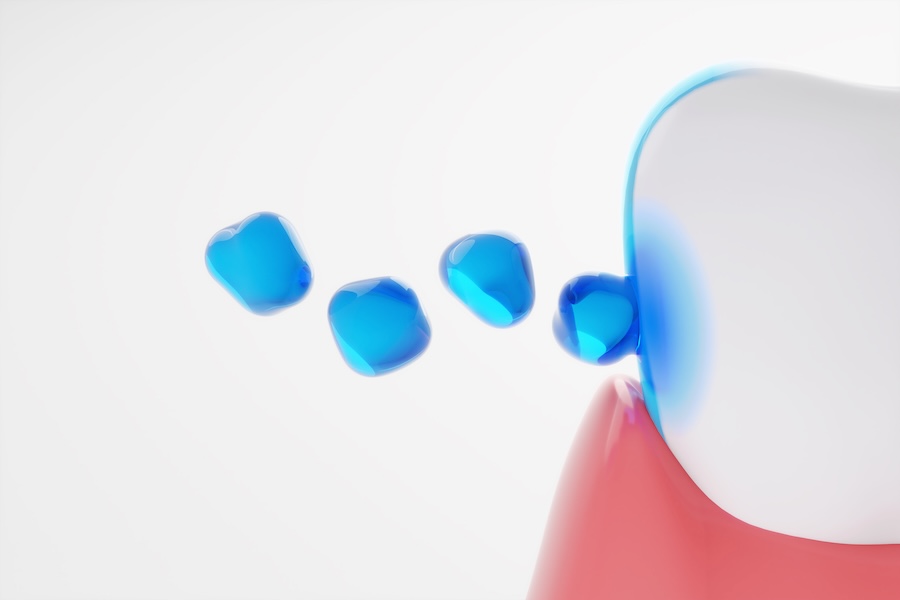
Tooth enamel is constantly exposed to acids from food, drinks, and the bacteria in your mouth. Those acids pull minerals from the surface, while saliva and fluoride help put some of them back. Fluoride also makes the enamel more resistant the next time acid hits.
Brushing twice a day with fluoride toothpaste is still one of the best things adults can do at home. For someone who rarely gets cavities and has plenty of saliva, that may provide enough protection. If cavities keep showing up, roots are becoming exposed, or your mouth has become noticeably drier, Dr. Treanor or Dr. Hulsey may recommend professional fluoride too.
Adult cavity risk is not frozen at whatever it was when you were 25. A person who went years without a filling can suddenly find themselves getting decay around the gumline or beside older dental work. When that happens, adding fluoride can help tip things back in your favor.
Receding Gums Expose a More Vulnerable Part of the Tooth
When gums recede, part of the root surface becomes exposed. That area does not have the same hard enamel covering as the crown of the tooth, so it can decay more easily. It also can become sensitive. Sometimes the first thing you notice is a quick zing when cold water hits near the gumline.
Root cavities also tend to show up in places that can be awkward to brush. You may have a small notch near the gumline, a tooth that feels longer than it used to, or one spot where sensitivity keeps sending you back to the toothpaste aisle. Dr. Treanor or Dr. Hulsey can check those exposed areas and see whether extra fluoride would help protect them. As an added bonus, fluoride treatment can also reduce sensitivity.
We can also look at why the recession is happening. Brushing too aggressively, gum disease, and the way your teeth sit in the bite can all contribute. Protecting the exposed root is one piece of keeping that tooth healthy over time.
Dry Mouth Can Raise Cavity Risk Quickly
Saliva does a surprising amount of work in the background. It washes away food particles, buffers acids, and carries minerals back to the teeth throughout the day. When saliva drops off, teeth lose some of that natural defense.
You may notice your mouth feels sticky after talking for a long time, you keep water beside the bed, or crackers suddenly feel impossible without a drink nearby. Medications are a common reason for dry mouth, and the list can grow over the years even if your dental routine has not changed at all. That can leave someone who rarely had cavities wondering why new ones are suddenly appearing.
Professional fluoride can give those teeth more protection while we also work on the dryness itself. Dr. Treanor or Dr. Hulsey may talk with you about saliva-supporting products, hydration, and your home routine. If a medication seems to be contributing, any changes to that prescription should still go through the clinician who prescribed it.
Older Dental Work Can Create New Weak Spots
Crowns, bridges, and fillings can last for years, but the natural tooth around them still needs protection. Plaque can collect where a restoration meets the tooth, especially around the edges of crowns or in areas that are difficult to floss. Those margins are places we keep a close eye on during routine visits.
Maybe floss keeps catching beside the same crown, food packs under a bridge, or you have one heavily restored tooth that has needed work more than once. Even when the restoration itself is holding up well, the tooth around it can still develop decay. Fluoride can add some extra protection to those natural tooth surfaces.
This becomes more important as the amount of dental work in your mouth grows. A mouth with several crowns, bridges, or large fillings simply has more edges and tight spots to maintain. Dr. Treanor or Dr. Hulsey can look at where plaque tends to collect and decide whether fluoride belongs in that preventive routine.
Adults With a History of Cavities May Benefit Most
Some people simply run more cavity-prone than others. Maybe you have had a new filling at several appointments in a row, or you seem to take good care of your teeth and still end up hearing, “There is one small area we need to watch.” That history tells us something about how your teeth are holding up over time.
Frequent snacking, sipping sweet or acidic drinks, dry mouth, exposed roots, and deep grooves in the teeth can all add to that risk. Fluoride treatments give the enamel another layer of help between visits. They can be especially useful when several smaller risk factors are piling up at once.
The recommendation can also change. You may need fluoride for a period while dry mouth is worse or while we are trying to get a run of new cavities under control. If your risk drops later, we can adjust the preventive plan along with it.
What Happens During an Adult Fluoride Treatment?
Professional fluoride is usually a quick part of a routine dental visit. Depending on the product we use, it may be painted onto the teeth or applied another way, and we will tell you when you can eat, drink, or brush afterward. The whole thing usually takes far less time than the fluoride trays you may remember from childhood.
We will also tell you why we are recommending it. Maybe we are seeing the beginnings of root exposure, several areas that have needed fillings recently, or signs that dry mouth is starting to affect your teeth. Fluoride makes more sense when you know exactly what we are trying to protect.
This is also a good time to talk about what you use at home. If you have three different toothpastes in the cabinet—one for sensitivity, one for whitening, and one somebody recommended for dry mouth—bring it up. We can help you figure out which products are actually doing something useful for your teeth.
Fluoride Treatments at Walnut Ranch Dental Spa in Ardmore, OK
Your cavity risk at 45 or 65 may look completely different from what it did at 25. Gums can recede, medications can dry the mouth, and years of fillings and crowns can create more edges that need careful cleaning. Fluoride gives us another way to protect those areas before they become the next place that needs dental work.
Dr. Joe Treanor and Dr. James Hulsey can look at your cavity history, gumline, saliva flow, existing restorations, and the way you care for your teeth at home. Walnut Ranch Dental Spa focuses on preventive care designed around what is happening in your mouth now, rather than assuming adulthood means fluoride is behind you.
If you have started getting cavities after years without one, your gums are exposing more of the roots, or dry mouth has become part of your daily routine, ask us about fluoride at your next visit. We’ll help give those vulnerable spots a little more backup and keep your teeth out of the filling cycle as much as possible!
Categorised in: Fluoride Treatment, Preventive Dental Care
